Size
Your email has been successfully removed.
Click & Collect
My Cart
Subtotal:
Delivery:
Product(s) added to Favorites
Product (s) removed from wishlist
Item(s) added to cart
My CartAdded to comparator
Removed from comparator
Where should we send your order?

To start the search enter at least 3 characters of a description, brand or reference number
Word searched
Size
Your email has been successfully removed.
Size
Your email has been successfully removed.

Filter and Sort
Size
Your email has been successfully removed.
Size
Your email has been successfully removed.
Size
Your email has been successfully removed.
| Use to view more |
|---|
Bridal Earrings: How to Choose According to Hairstyle and Face Shape
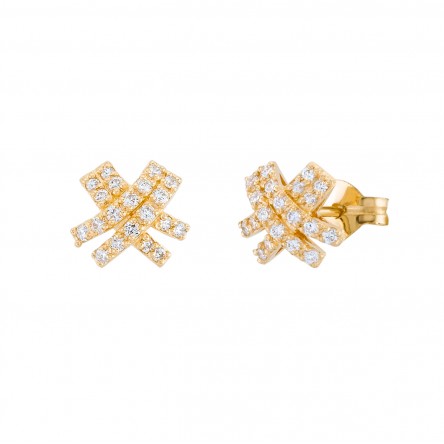
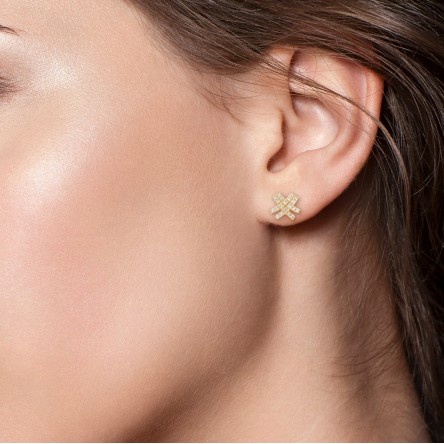
The choice of earrings depends mainly on the hairstyle (up or down), face shape, and the visual impact of the dress — drop and dangling earrings work well with updos, while stud earrings suit any hairstyle.
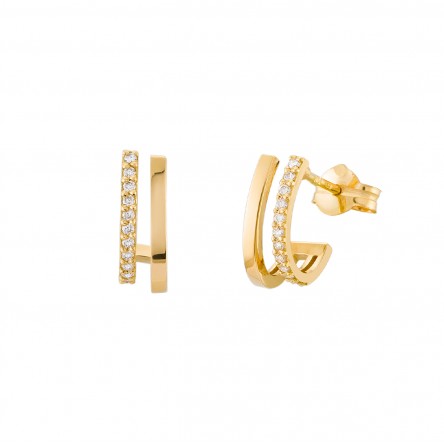
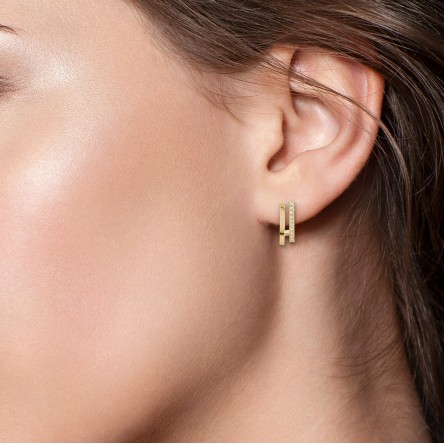
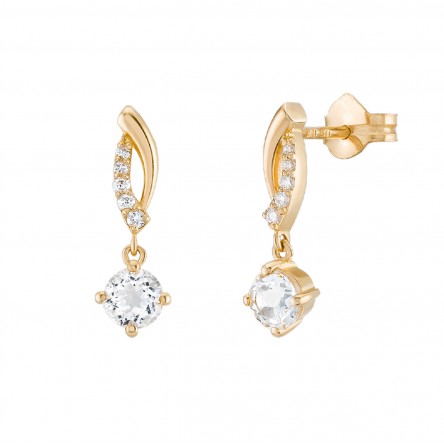
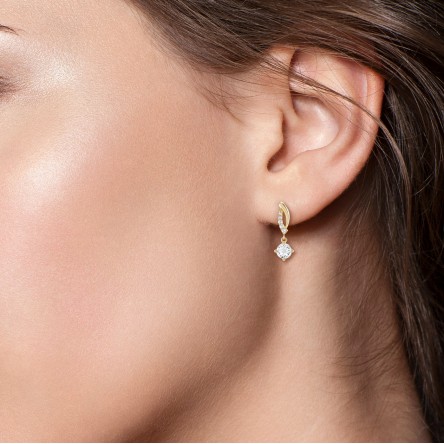
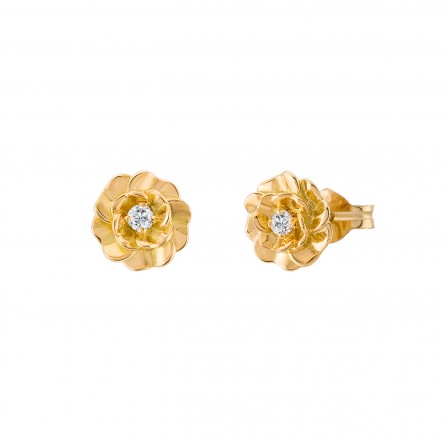
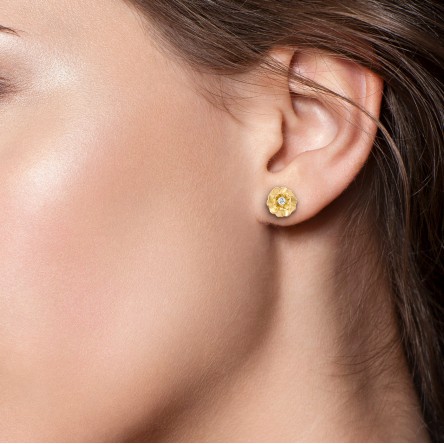
With the hair tied up (chignon, bun, half-up hairstyle), the neck is visible and the earrings become a focal point. Dangling earrings, diamond drop earrings, or long earrings with stone settings create a vertical line that elongates the neck and complements the neckline. With loose or wavy hair, however, earrings compete more with the hair and work better in a more understated style: stud earrings, solitaire earrings with a central diamond, or earrings with small stone settings that sparkle without being overshadowed by the volume of the hair. In terms of face shape, elongated faces are complemented by drop or dangling earrings, while round faces benefit from vertical earrings that create a visually elongating effect. With dresses featuring elaborate details on the upper part (lace, embroidery, crystals), earrings should be more discreet to avoid competing with the dress; with cleaner, more minimalist dresses, there is room for more statement earrings.
Bridal Necklaces: How to Match Them to the Dress Neckline
The choice of necklace is determined by the neckline: dresses with a V-neckline call for medium-sized pendants, round necklines work well with delicate necklaces, strapless dresses are compatible with chokers or rivière necklaces, and dresses with high necklines or embroidery are best worn without a necklace.
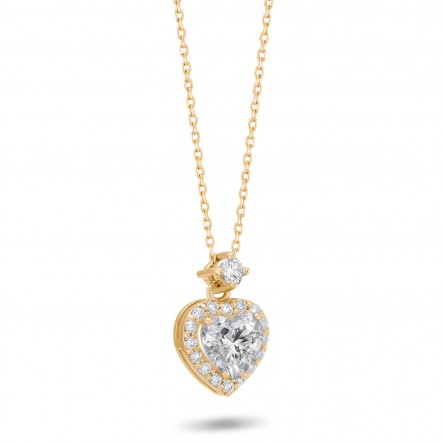
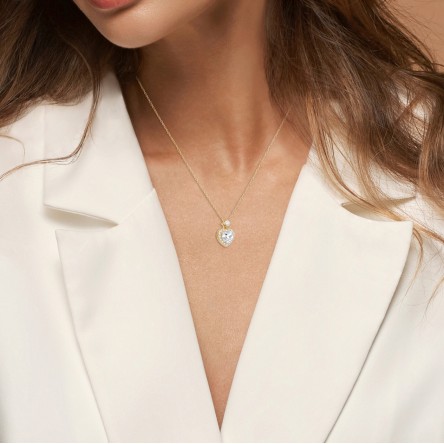
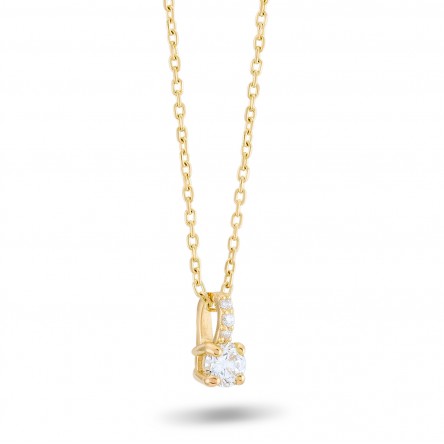
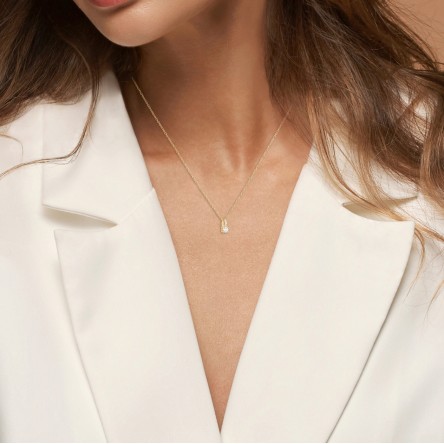
This is one of the most technical decisions when choosing bridal jewelry, because the wrong necklace can visually detract from the dress. With a V-neckline, the pendant should follow the V shape and stop before its lowest point, with a size proportional to the neckline — a diamond pendant necklace works particularly well. With a round neckline (crew neck, oval neckline), the necklace should be delicate and sit above the edge of the fabric without crossing it — necklaces with delicate stone settings or chains with small pendants are ideal. With a strapless dress (without straps, featuring a straight horizontal neckline), there is more flexibility: the necklace can be a more elaborate choker (close to the neck), a diamond rivière necklace (continuous stone setting), or even a longer necklace if the dress has a train. For bandeau-style strapless dresses, the same rule applies. With dresses featuring a high collar, high neckline, or intricate lace or embroidery on the upper part, the recommendation is to skip the necklace — there is not enough visual space for another element without creating an overly elaborate look. With backless dresses, the necklace can be omitted at the front, shifting the focus to the earrings and possibly an updo that highlights the back.
Tennis Bracelets: The Detail That Sparkles with Every Gesture During the Ceremony
Tennis bracelets, featuring a continuous setting of diamonds along a flexible band, are the most sought-after wrist accessory for brides because they sparkle with every gesture during the ceremony — signing, exchanging rings, toasting — without competing with the wedding band.
The tennis bracelet has a particular characteristic that makes it ideal for weddings: it sparkles with movement. Every gesture the bride makes during the ceremony — signing the marriage register, receiving the ring, toasting with champagne, dancing — is accompanied by the movement of the bracelet and the continuous sparkle of the diamonds. It is a detail that appears in every photograph and video without becoming excessive. When it comes to pairing it with the wedding band and engagement ring, the tennis bracelet is usually worn on the wrist opposite the hand wearing the rings, creating visual balance and avoiding an excessive concentration of sparkle in one area. For brides who appreciate symmetry, there is also the option of wearing two bracelets (one on each wrist) or combining the tennis bracelet with a more discreet bracelet on the same wrist, creating a layered effect. The choice between yellow gold, white gold, or two-tone gold depends on the material of the wedding band and the tone of the earrings and necklace — maintaining consistency across all the pieces is more important than choosing any one of them individually.
18K Gold, Diamonds and Precious Gemstones: The Materials Used in Bridal Jewelry
Bridal jewelry is traditionally made of 18K gold (containing 75% pure gold) with diamond settings — a combination that maintains its material and aesthetic value across generations.
18K gold is the standard alloy in international premium jewelry, containing 75% pure gold and 25% other metals that provide strength. Available in yellow (the classic version), white (rhodium-plated for a brilliant silvery finish), and rose (with added copper for a warmer, more contemporary tone), it provides an ideal base for setting precious gemstones. Diamonds are the dominant gemstones in bridal jewelry, both for their brilliance and their symbolism of durability (the hardest known natural gemstone, associated with permanence). Diamond quality is assessed according to the four Cs — carat (weight), color, clarity, and cut — and Bow Gold and Diamonds works with carefully graded stones that meet the standards of the premium segment. For brides who prefer a touch of color, there are also designs featuring colored precious gemstones — sapphire (blue, but also pink or yellow), emerald (deep green), and ruby (intense red) — often used as the main gemstone in a pendant or solitaire piece, complemented by diamonds.
About Bow Gold and Diamonds: The Premium Brand for Bridal Jewelry
Bow Gold and Diamonds is BlueBird's brand specializing in premium 18K gold jewelry with diamonds, with a strong focus on pieces designed for brides — earrings, necklaces, rings, and tennis bracelets.
Bow is BlueBird's leading brand in the premium jewelry segment, with a catalog focused on 18K gold with diamonds and precious gemstones. It stands out for the quality of its gemstones (with grading standards specific to premium jewelry), the variety of designs within each category (with more than two dozen models of earrings, necklaces, and bracelets designed for formal occasions and bridal jewelry in particular), and the balance between classic design and contemporary details. The collection ranges from earrings starting at €169 to diamond tennis bracelets priced above €3,000, with several pieces available in yellow gold and white gold to suit different aesthetic preferences and match the material of the wedding band. For brides whose birth month is associated with specific gemstones, Bow also offers a dedicated birthstones collection, featuring pieces designed to celebrate each person's symbolic birth date.
Bridal Jewelry as a Gift: From the Groom, Parents or Godparents
For the groom, parents, or godparents who wish to give the bride a piece of jewelry for her wedding day, diamond earrings, tennis bracelets, or pendant necklaces are the most memorable choices.
There is a tradition in several countries, increasingly common in Portugal, of the groom giving the bride a piece of jewelry on their wedding day — something to wear during the ceremony that will remain a keepsake afterwards. Diamond earrings are among the most popular choices for this gesture, as they make a visual statement without competing with the wedding band. For parents who wish to give their daughter a piece of jewelry as a symbolic farewell before her wedding, pieces with greater intrinsic value (a diamond tennis bracelet or a pendant necklace) are appropriate because of the lasting sentimental value they carry. Close godparents and members of the wedding party may also choose a piece of jewelry as a gift for the bride, usually coordinated with other family gestures. In any of these cases, it is important to coordinate beforehand to avoid duplicate gifts — several gifts of the same type lose their impact. For those looking for personalization, it is worth exploring engraveable jewelry, with engraving usually placed on the inside of the band or on the back of the pendant. Personalized engraved pieces cannot be exchanged or returned, as they become unique after engraving.
Matching Jewelry with the Wedding Band and Engagement Ring
For a cohesive look, the bride's jewelry (earrings, necklace, bracelet) should coordinate with the material and tone of the wedding band and engagement ring — all in yellow gold, all in white gold, or all in two-tone gold.
Color coordination between all the pieces of jewelry worn by the bride is one of the most important rules for creating a harmonious look. If the wedding band is made of yellow gold, the earrings, necklace, and tennis bracelet should also be in yellow gold. If the wedding band is made of white gold (with a cooler, silvery tone), the remaining jewelry should follow the same color scheme. For brides with a two-tone wedding band (combining two gold tones), there is more flexibility — they can choose matching two-tone jewelry or opt for pieces in a single tone (yellow or white) to create a deliberate contrast. Rose gold, with its warmer, more contemporary tone, pairs well with colored gemstones (ruby, emerald, pink sapphire) and creates a more distinctive look. The same rule applies to the engagement ring — its material and tone should either match the rest of the jewelry or create an intentional contrast as a conscious aesthetic choice.
Matching Jewelry Sets or Individual Pieces: How to Decide
Matching jewelry sets (earrings + necklace, or earrings + necklace + bracelet) automatically ensure aesthetic consistency; individually selected pieces require more attention but allow for greater personalization.
Matching sets offer the advantage of effortless coordination — the pieces have been designed to complement each other, featuring the same design, stone settings, and finish. For brides who do not have the time or inclination to coordinate individual pieces, or who prefer the reassurance of a harmonious look, a matching set simplifies the decision. For brides who already have family jewelry (a piece belonging to their mother, grandmother, or godmother that they wish to wear as "something borrowed"), it makes more sense to select the remaining pieces individually, ensuring that each complements the borrowed piece. Combining individual pieces also allows for different styles (more statement earrings paired with a more discreet necklace, for example) or the creation of personal combinations that better reflect the bride's story. In either case, the fundamental rule remains the same: color coordination (all pieces in the same tone), balanced visual proportions (avoiding an overload of multiple statement pieces), and a clear relationship with the dress and hairstyle.
Price Ranges and Installment Payment Options
The typical investment in bridal jewelry ranges from €200 (individual earrings) to €3,000 or more (diamond tennis bracelets), with most choices falling between €500 and €1,500 for a complete set.
For brides with a more limited budget, the €169 to €400 range includes 18K gold earrings with smaller diamonds, delicate pendant necklaces, and bracelets with partial stone settings. The mid-range, from €400 to €1,000, offers pieces with larger diamonds, necklaces with more elaborate stone settings, and dangling diamond earrings. The premium range, from €1,000 to €3,000, includes tennis bracelets with continuous diamond settings, dangling earrings with larger diamonds, and matching jewelry sets. Above €3,000, tennis bracelets fully set with diamonds are the most sought-after pieces for weddings where the aim is to invest in a lasting piece of jewelry. As weddings involve multiple financial decisions at the same time (dress, suit, reception, honeymoon), BlueBird offers installment payment options to spread the investment over time, an option that is particularly useful when purchasing several pieces together. For customers with a BlueBird Card, there is also a €10 Discount Voucher for every €100 spent on eligible purchases, which can be accumulated for future purchases.
How to Buy: Online or In-Store, with Personalized Advice
For bridal jewelry, purchasing in a physical store is often recommended — it allows brides to try on the pieces with their dress (if already available), compare gold tones, and benefit from advice from teams experienced in this category.
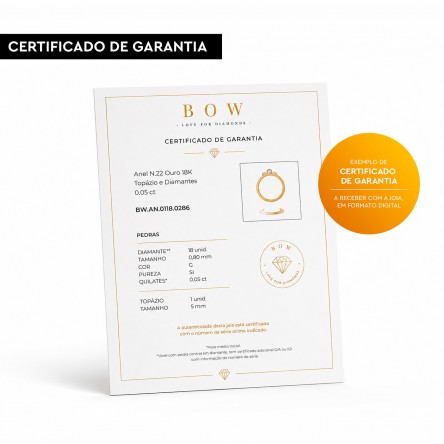
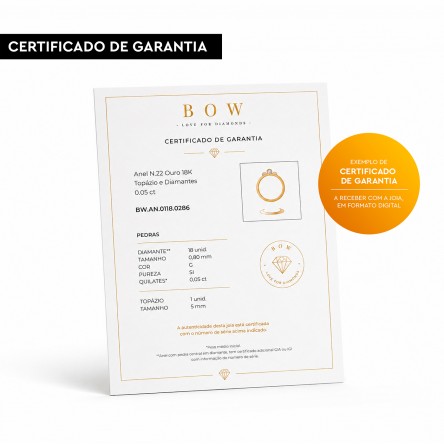
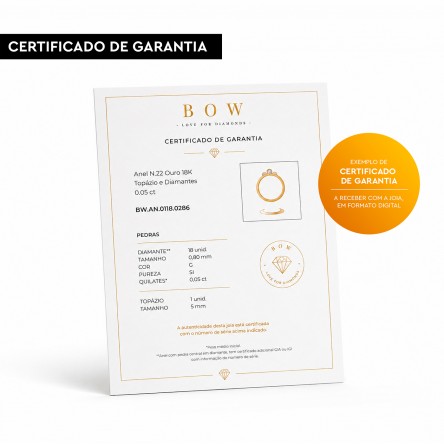
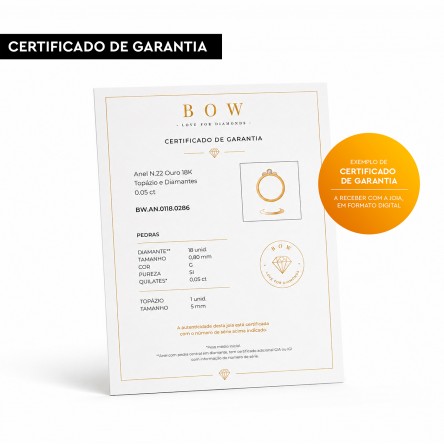
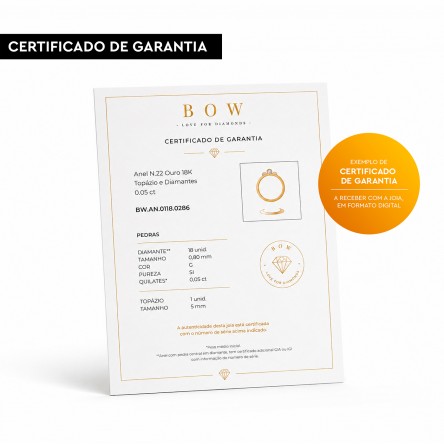
The emotional and aesthetic nature of purchasing bridal jewelry makes the in-store experience particularly valuable. At any BlueBird store in mainland Portugal, customers can try on different options, see gold tones in natural light, compare tennis bracelets on their wrists, and assess how the pieces complement their chosen dress style. The stores are located in shopping centers such as Colombo, Norte Shopping, Gaia Shopping, Algarve Shopping, Mar Shopping, Braga Parque, and UBBO, and some have dedicated areas for Bow's premium jewelry collection. For purchases planned further in advance, online shopping is also a convenient option — with free shipping on orders over €40 in mainland Portugal and over €100 to the islands, and Click & Collect Express available in approximately 2 hours for in-store collection, subject to local stock availability. For choices requiring greater coordination (several pieces to be worn together), it is worth combining both channels: identifying preferred options online and making the final decision in-store. All BlueBird jewelry comes with the brands' official warranties, and the technical assistance service is available for adjustments (ring sizing, necklace length, bracelet adjustments). The exchange policy allows 30 days for non-personalized pieces purchased in physical stores.
Frequently Asked Questions (FAQs)
Earrings, a necklace (depending on the dress neckline), a tennis bracelet, and the wedding band. Additional rings and watches are rarely worn by brides on their wedding day.
The standard list is simple: always earrings, a necklace when the neckline allows it, a tennis bracelet on the wrist opposite the wedding band, and the wedding band itself (with or without the engagement ring). Additional rings on other fingers are usually avoided so they do not compete with the wedding band. Watches are rarely worn by brides on the day of the ceremony — they can visually interfere with the dress and photographs. All jewelry should be in the same tone (yellow, white, or two-tone) to ensure color coordination, and the general rule is less is more: well-balanced pieces that complement each other without any single piece excessively dominating the look.
Long earrings with an updo, short or stud earrings with loose hair or an elaborate dress.
The practical rule is the relationship between earrings and hairstyle. With hair tied up (chignon, bun, half-up hairstyle), the neck is exposed, leaving room for dangling earrings, drop earrings, or long earrings. With loose or wavy hair, earrings compete with the volume of the hair and work better in more understated styles (stud earrings, solitaire earrings, or earrings with small stone settings). Dresses with elaborate details on the upper part (lace, embroidery, crystals) also call for more discreet earrings. Cleaner, more minimalist dresses can accommodate more statement earrings.
Yes. Pearls are a classic and timeless choice for brides, especially for more traditional weddings.
Pearls have a strong historical association with weddings — timeless elegance, a neutral tone that complements any dress color (especially white and ivory), and a soft luster that does not compete with the dress. They work particularly well for religious or more traditional weddings, and in matching sets (necklace + earrings). For a more contemporary look, they can be combined with small diamonds or subtle stone settings, creating a classic yet modern effect. White pearls are the most sought-after for brides; peach, gray, or black pearls offer a more distinctive and unconventional style.
Strapless dresses can accommodate chokers, rivière necklaces, or more statement necklaces; V-necklines call for a medium-sized pendant that follows the V shape without extending beyond its lowest point.
With a strapless or bandeau-style dress (a straight horizontal neckline without straps), the neck and upper chest are fully exposed, creating visual space for a more prominent necklace. A choker (a necklace worn close to the neck), a diamond rivière necklace (continuous stone setting), or a necklace with a central pendant are all suitable options. With a V-neckline, the rule is to follow the V shape — the pendant should hang along the central axis of the neckline and stop before its lowest point, creating a harmonious visual line between the jewelry and the fabric. Diamond pendants, drop-shaped pendants, or small solitaires work well here. In both cases, it is worth trying on the piece with the dress if possible, or at least checking how they look together before deciding.
It is possible, but it requires care. The safest rule is to wear the tennis bracelet on the wrist opposite the wedding band to distribute the sparkle.
The classic solution is to keep bracelets and the wedding band on opposite sides: the wedding band on the ring finger of one hand and the tennis bracelet on the opposite wrist. This arrangement creates visual balance and avoids concentrating too much sparkle in one area. For brides who prefer wearing a bracelet on the same arm as their wedding band, it is important that the bracelet be discreet and not compete with the ring in terms of volume or brilliance — a delicate bracelet with subtle stone settings can work, while a fully diamond-set tennis bracelet on the same arm as the wedding band can often look excessive. For weddings where several bracelets are worn on the same wrist (a layered effect), it is preferable for that wrist to be opposite the wedding band, and for the bracelets to complement each other visually (all delicate, or all featuring similar stone settings).
Ideally, yes. Color coordination between all the pieces (earrings, necklace, bracelet, wedding band) is one of the most important principles of bridal styling.
The classic rule is that all bridal jewelry should have the same tone — all yellow gold, all white gold, or all two-tone — to avoid visual disharmony. This rule remains valid for traditional weddings. For more contemporary styles, there is room to mix tones (yellow gold with rose gold, for example), provided the combination is intentional and harmonious. However, randomly mixing metals (one silver piece, another in yellow gold, another in two-tone gold) is generally discouraged — it can create an uncoordinated appearance and diminish the overall aesthetic impact. To avoid mistakes, the simplest approach is to choose the wedding band first and then coordinate all the remaining jewelry with its material and tone.
Yes, and it is an increasingly common tradition in Portugal, especially at weddings with a strong symbolic element.
Diamond earrings are among the most popular choices for this gesture, as they make a visual statement without competing with the wedding band or engagement ring. Diamond pendant necklaces and tennis bracelets are other popular options. The jewelry can be presented before the ceremony (during preparations) or at a more private moment on the wedding day, and then worn during the ceremony. To make the gesture truly meaningful, it is worth confirming beforehand what type of jewelry the bride plans to wear and the metal tone — ensuring it complements the rest of her look. For personalized engraving (wedding date or a phrase), the additional processing time is indicated on each product page, and engraved pieces cannot be exchanged or returned because they become unique.
Yes. It is a meaningful way to honor the symbolic role that a father, godfather, or godmother plays in the bride's life.
For parents, giving their daughter jewelry on her wedding day carries particular symbolism — it marks a transition and becomes a lasting reminder of their relationship. 18K gold tennis bracelets with diamonds, necklaces with meaningful pendants, or classic diamond earrings are among the most popular choices. For close godparents, the idea is similar. In any case, it is important to coordinate beforehand with the bride or her immediate family to avoid duplicate gifts — several pieces of the same type lose their impact and may create styling difficulties on the day. The typical budget for this type of family gift ranges from €500 to €2,000, with premium pieces above this amount for those who wish to mark the occasion in a particularly memorable way.
Yes, and ideally you should. Premium 18K gold jewelry with diamonds maintains its aesthetic and material value over time and is designed for continued wear on formal occasions.
In fact, choosing wedding jewelry is a good opportunity to invest in pieces that will accompany the bride for decades — milestone birthdays, formal dinners, children's christenings, family celebrations, and wedding anniversaries. The advantage of 18K gold jewelry with diamonds lies precisely in its timelessness: it goes out of fashion very slowly, retains material value, and can be passed down through generations as family heirlooms. Thinking about the purchase in this way — not as a one-time piece for a single event, but as a long-term addition to a formal jewelry collection — fully justifies a greater investment in quality.
Yes. BlueBird offers installment payment options to make premium 18K gold jewelry with diamonds more accessible.
For complete sets (earrings + necklace + bracelet) or diamond tennis bracelets priced above €1,000, installment payments allow the investment to be spread over time, which is particularly useful when several wedding expenses occur simultaneously (dress, suit, reception, honeymoon). The specific conditions are described on the installment payment page of the website, and the in-store team can calculate the monthly payment for the selected combination. It is also worth registering for the BlueBird Card before making the purchase — cardholders receive a €10 Discount Voucher for every €100 spent on eligible purchases, which can be used for future purchases.
| Use to view more |
|---|