Does an engagement ring have to feature a diamond?
No; an engagement ring can feature a diamond or other gemstones, as long as it reflects the couple’s style and story.
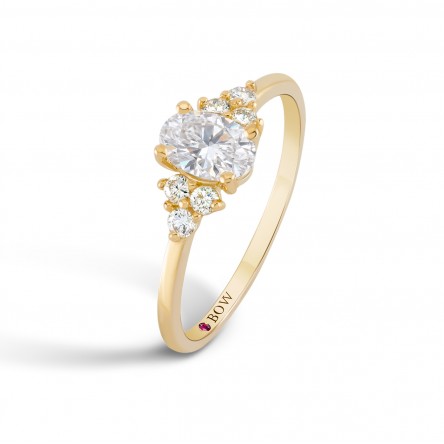
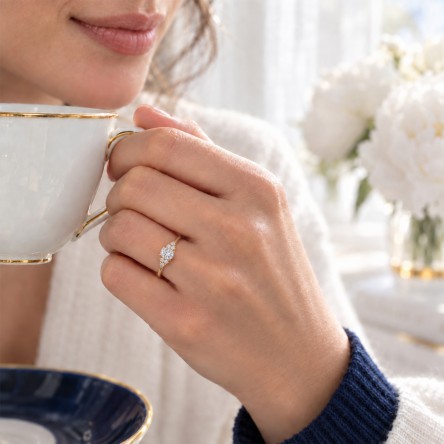
Not necessarily. Although diamonds are the most traditional choice for their sparkle and durability, sapphires, rubies, emeralds and other gemstones are elegant, meaningful alternatives, each with its own unique character. The choice should reflect her style and the message you want to convey, creating a truly special and personal ring for this unforgettable moment.
How much should an engagement ring cost?
There is no fixed amount; the best approach is to set a realistic budget and choose the best combination of materials and design within it.
The famous “three months’ salary” myth originated in advertising campaigns in the 1930s and has no real basis or grounding in tradition. The ideal amount is one that allows you to offer a quality piece within your budget, whether an elegant design with a smaller diamond or a more striking coloured gemstone. BlueBird offers options for every budget, from affordable designs to premium pieces, always with certification and a quality guarantee.
How can I find out her ring size without her knowing?
Use a ring she already owns, ask someone close to her for help or try the string-and-ruler method to estimate her size.
There are several discreet and effective methods: use a ring she wears regularly as a reference, ask a close friend or trusted family member for help, or try the string-and-ruler method at night while she sleeps. BlueBird also offers a ring size exchange guarantee within 60 days of purchase, giving you complete peace of mind if a different size is needed for the perfect fit.
Can an engagement ring be personalised?
Yes; messages can be engraved inside the band and, for some designs, the design, metals and gemstones can also be customised.
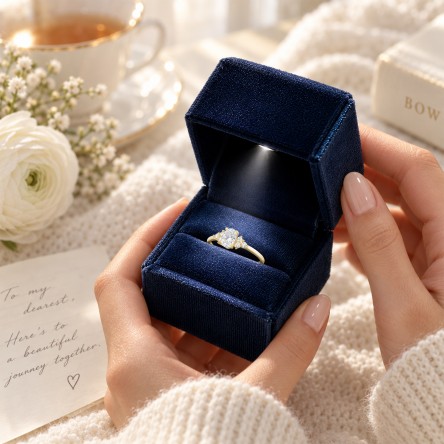
Yes, all engagement rings can be personalised with an engraving inside the band, whether a name, a special date, initials or a symbol with a unique meaning for the couple. Some models also allow changes to the design, combinations of metals or the selection of specific gemstones. Products eligible for personalisation are clearly marked on their product pages, and the service ensures an impeccable, discreet finish.
Natural or lab-grown diamonds: which should you choose?
Lab-grown diamonds offer sparkle and durability comparable to natural diamonds, at a more affordable price and with a more sustainable origin.
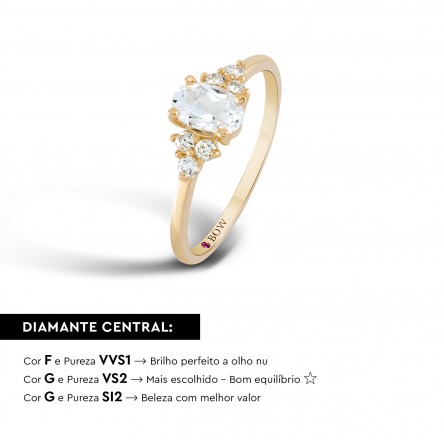
Lab-grown diamonds offer the same quality as natural diamonds in terms of sparkle, clarity and durability, but cost less and are produced more sustainably, without compromising the beauty of the piece. Both can be certified by independent laboratories such as GIA or IGI, making the final choice a matter of personal values, available budget and ethical preferences.
White or yellow gold for an engagement ring?
White gold is modern and creates contrast with diamonds; yellow gold is classic and warm, complementing gold-toned jewellery.
White gold creates a perfect contrast with diamonds and offers a modern, understated look, pairing well with silver-toned jewellery and watches; yellow gold is a timeless classic, with a warm glow that complements both fair and darker skin tones. If she tends to wear gold-toned pieces every day, yellow gold makes perfect sense as a natural extension of her style; if she prefers neutral, contemporary tones, white gold fits in perfectly.
Where can I buy engagement rings in Portugal?
You can buy BlueBird engagement rings at 14 physical stores in Portugal or online at bluebird.pt with secure delivery.
Visit one of the 14 BlueBird stores in mainland Portugal (Norte Shopping, Centro Colombo, Braga Parque, Mar Shopping, Arrábida Shopping, Gaia Shopping, 8ª Avenida, Palácio do Gelo, Leiria Shopping, Alma Shopping, Algarve Shopping, Nosso Shopping, UBBO, Arena Shopping) to try on the designs in person, or shop online at www.bluebird.pt with fast, secure delivery. Use the store locator to find your nearest store.
How do I buy an engagement ring at BlueBird?
Set a budget, choose the style and metal, confirm the ring size and get support from the BlueBird team in-store or online.
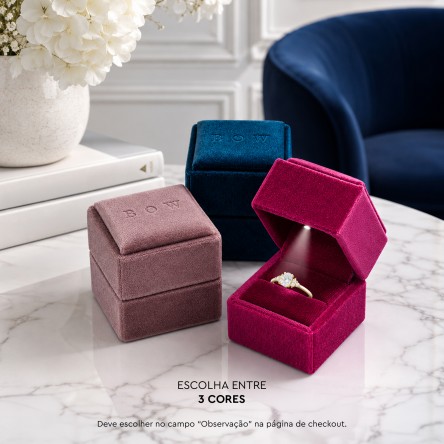
Choosing the perfect engagement ring may seem challenging, but BlueBird makes the whole process simple. Start by setting a realistic budget that balances emotion with financial investment. The team will then show you all the options suited to her taste and personality — classic solitaire, halo, trilogy and pavé rings, or coloured gemstones. Choose between 18K yellow, white or rose gold, and confirm her size by bringing one of her rings or using the size guide. BlueBird is here to make this decision memorable and stress-free.
Which gemstone should I choose besides a diamond?
Sapphire, emerald, ruby and aquamarine are popular alternatives to diamonds, each with its own meaning.
Beyond the traditional diamond, there are gemstones with unique and special meanings for engagement rings. Sapphire symbolises fidelity and wisdom, making it an elegant and meaningful choice. Emerald, with its intense green hue, represents love, hope and renewal. Ruby, with its vibrant red colour, evokes passion, courage and eternal love. Aquamarine, with its soft blue hue, conveys tranquillity, harmony and clarity. Each gemstone carries its own message — choose the one that best reflects the couple’s love story.
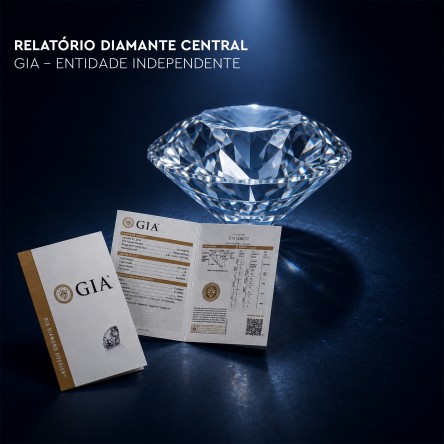
What is a certified diamond ring? What does GIA/IGI mean?
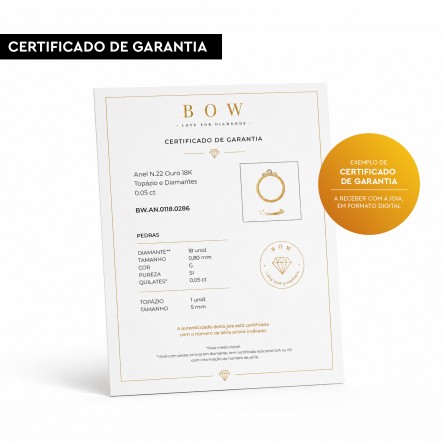
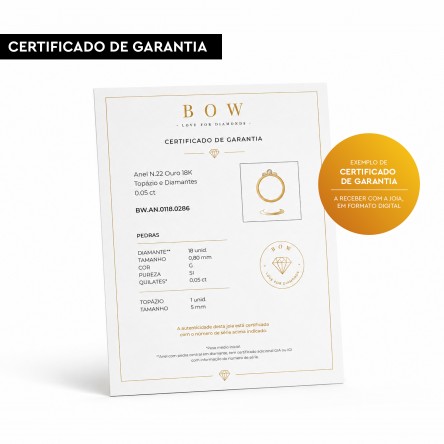
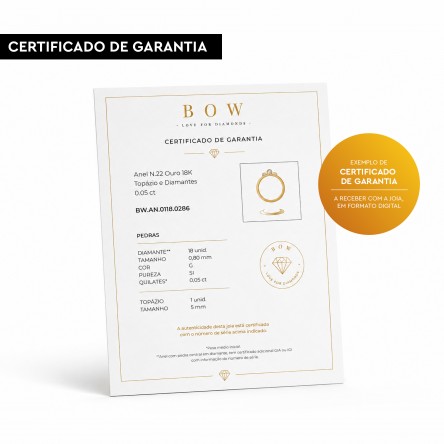
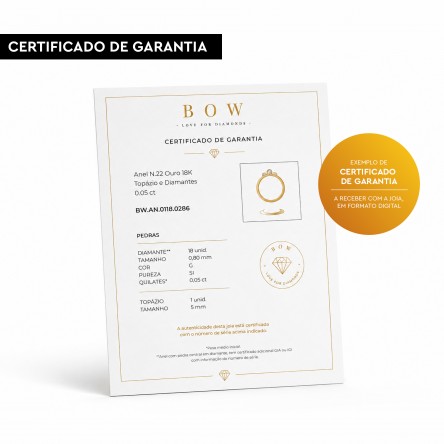
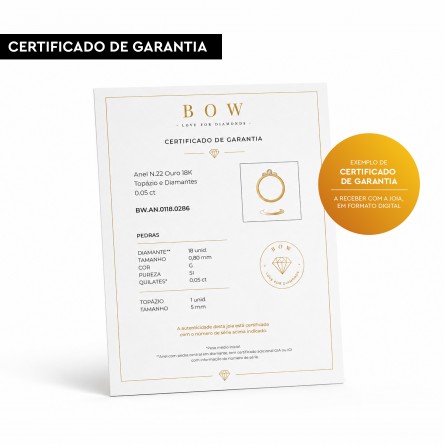
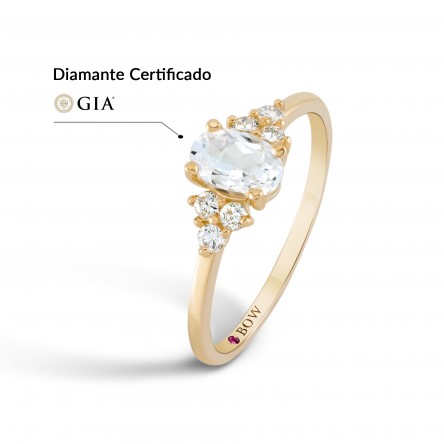
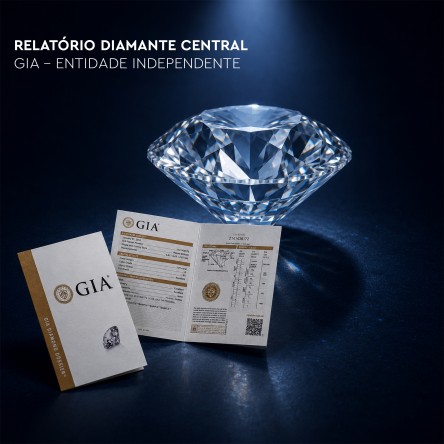
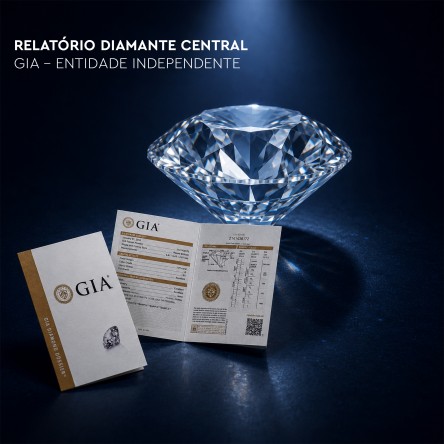
It is a ring whose diamond has been assessed by an independent laboratory, with a GIA or IGI report documenting its carat weight, colour, clarity and cut.
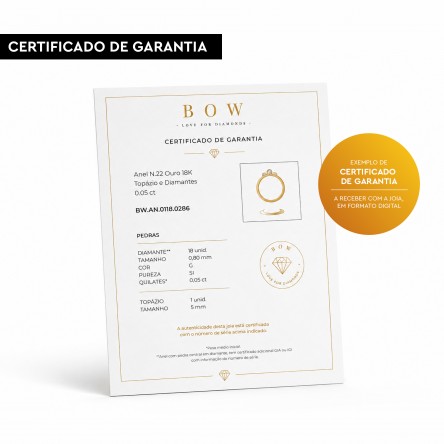
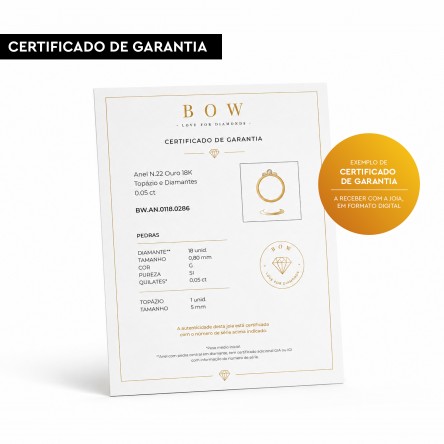
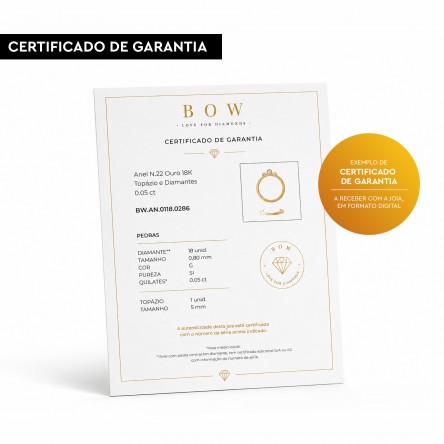
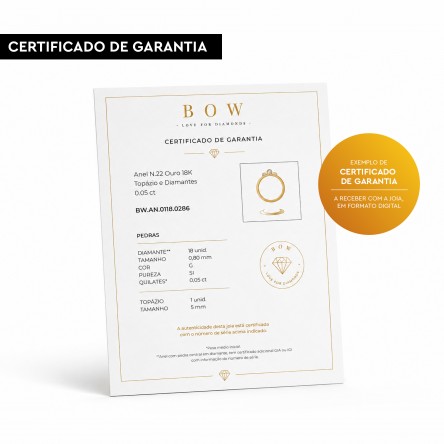
A certified diamond ring comes with an official assurance of the quality of that individual diamond, assessed by an independent laboratory that issues a comprehensive report detailing its carat weight, colour, clarity, cut and other essential characteristics. GIA (Gemological Institute of America) and IGI (International Gemological Institute) are two of the world’s most recognised laboratories. A diamond with a GIA or IGI certificate stands for complete transparency, trust and the stone’s true value. These reports mainly apply to rings with diamonds over 0.40 carats.