Size
Your email has been successfully removed.
Click & Collect
My Cart
Subtotal:
Delivery:
Product(s) added to Favorites
Product (s) removed from wishlist
Item(s) added to cart
My CartAdded to comparator
Removed from comparator
Where should we send your order?

To start the search enter at least 3 characters of a description, brand or reference number
Word searched
Size
Your email has been successfully removed.
Size
Your email has been successfully removed.

Filter and Sort
Size
Your email has been successfully removed.
Size
Your email has been successfully removed.
Size
Your email has been successfully removed.
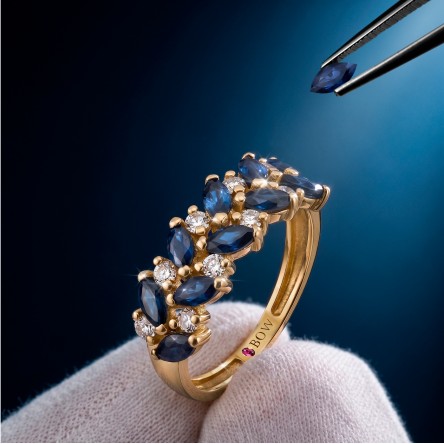
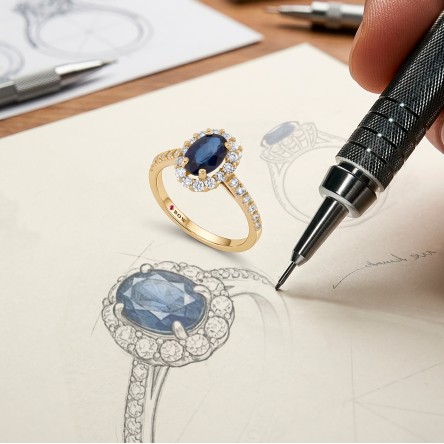
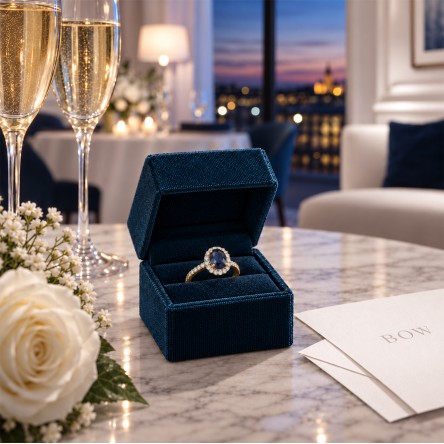
Sapphire is said to represent fidelity and truth in love. That’s why it is one of the most meaningful choices for an engagement ring. BlueBird’s designs stand out for their balance between design and symbolism - jewels made to last as long as the commitment they represent.
| Use to view more |
|---|
What is sapphire: blue corundum of exceptional hardness
Sapphire is a variety of the mineral corundum (aluminium oxide), with a hardness of 9 on the Mohs scale — the second-hardest gemstone after diamond. This hardness makes it particularly suitable for everyday rings.
Technically, sapphire and ruby are the same mineral — corundum — distinguished only by colour: red corundum is called ruby, while all other colours of corundum are called sapphire. Sapphire’s characteristic blue colour comes from traces of iron and titanium in its crystal structure. With a hardness of 9 (on a scale where diamond is 10), sapphire is highly resistant to scratches and everyday wear, making it one of the few coloured gemstones truly recommended for an engagement ring intended for continuous wear. This durability offers a clear technical advantage over more fragile coloured gemstones, such as emerald, which is more prone to inclusions and fractures. Sapphire can be natural (formed within the Earth) or lab-grown (with the same physical and chemical properties, at a lower price), and is often heat-treated to enhance its colour — a standard and accepted practice in the industry.
Why choose sapphire for an engagement ring?
Sapphire combines three advantages for an engagement ring: exceptional durability for everyday wear, a distinctive colour that stands out from the classic diamond, and rich symbolism of fidelity, wisdom and sincere love.
There are three reasons why sapphire is a leading choice for those seeking a colourful alternative to diamond. The first is practical: with a hardness of 9, sapphire withstands everyday wear without scratches or visible wear, unlike softer gemstones. The second is aesthetic: its deep blue colour gives the ring a distinctive character, offering an alternative to the ubiquitous colourless diamond, and works with every shade of gold (blue contrasts beautifully with yellow gold, harmonises with white gold and creates a contemporary look with rose gold). The third is symbolic: sapphire has historically been associated with fidelity, loyalty, wisdom and sincerity — qualities particularly suited to a marriage commitment. The combination of these three dimensions explains why sapphire is the most popular coloured gemstone for engagement rings worldwide.
Sapphire colour: from classic blue to fancy colours
Sapphire is best known for its deep blue colour, but it comes in a wide range of colours — pink, yellow, white, green and orange (padparadscha) — all known as sapphire, except red, which is classified as ruby.
Blue is the classic and most sought-after sapphire colour, ranging from lighter, brighter shades to deep, velvety blues (the most prized shade is often described as “violet-blue of medium to strong intensity”). But there is a whole world of coloured sapphires (“fancy sapphires”) that offer interesting aesthetic possibilities for engagement rings: pink sapphire, romantic and contemporary; yellow sapphire, warm and luminous; white sapphire (colourless), an affordable alternative to diamond with a sparkle of its own; green sapphire, understated and distinctive; and the rare and coveted padparadscha, with its pinkish-orange hue. For an engagement ring, the choice of colour should reflect the bride-to-be’s personality — classic blue conveys tradition and timeless elegance, while fancy colours allow for a more personal and distinctive statement.
Sapphire and diamonds: the classic combination
The most common combination in sapphire engagement rings is a central sapphire surrounded or accompanied by diamonds, which enhance the blue of the main stone and add sparkle to the overall design.
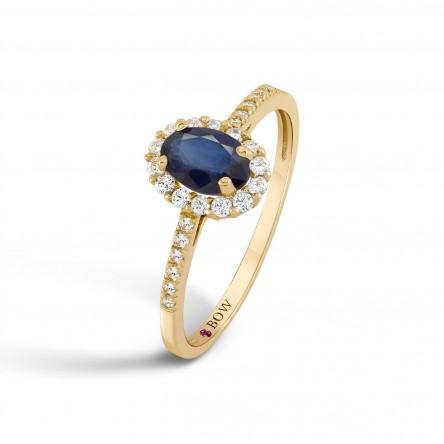
Sapphire and diamond complement each other almost perfectly in an engagement ring. The contrast between the sapphire’s deep blue and the colourless sparkle of diamonds creates a rich visual effect, and there are several ways to achieve it. The halo setting, in which the central sapphire is surrounded by a row of small diamonds, is one of the most popular — the diamonds visually intensify the blue and make the centre stone appear larger. The three-stone setting, with a sapphire in the centre and a diamond on either side (or vice versa), carries strong symbolism: past, present and future. Other designs feature small diamonds along the band (pavé) or on the shoulders of the ring. The vast majority of sapphire engagement rings at BlueBird, from the Bow Gold and Diamonds brand, feature this combination of sapphire and diamonds in 18K gold.
The symbolism and history of sapphire in engagement rings
Sapphire symbolises fidelity, sincerity and nobility, and gained enormous international recognition as an engagement gemstone through Princess Diana’s sapphire ring, now worn by Catherine, Princess of Wales.
Sapphire has a long symbolic history that makes it particularly appropriate for an engagement. Over the centuries, it has been associated with marital fidelity, sincerity of feeling, wisdom and protection — medieval royalty and clergy wore sapphires as a symbol of purity and trust. In the contemporary imagination, no sapphire ring is more famous than the engagement ring given by Prince Charles to Diana in 1981: a 12-carat blue Ceylon sapphire surrounded by diamonds. William gave the same ring to Catherine (Kate Middleton) for their engagement in 2010, renewing worldwide interest in sapphire as an engagement gemstone. This historical symbolism, combined with the stone’s timeless beauty, makes sapphire a choice that conveys sincerity, depth and lasting commitment.
How to choose a sapphire ring: colour, setting and gold colour
Choosing a sapphire engagement ring involves three decisions: the sapphire’s colour (from classic blue to fancy colours), the setting (halo, three-stone or solitaire) and the gold colour (yellow, white or rose).
For colour, medium-intense blue is the classic choice and the one that best retains its value, but fancy sapphires (pink or yellow) are valid alternatives for those seeking something more personal. For the setting, a halo maximises sparkle and the stone’s presence, a three-stone design adds symbolism, and a solitaire (a sapphire on its own) offers understated elegance. When choosing the gold colour, yellow 18K gold creates a warm, classic contrast with blue, white gold produces a cooler, contemporary effect that lets the blue take centre stage, and rose gold creates a modern, soft combination. Consider the style of jewellery the bride-to-be already wears and the colour of her other pieces (including her future wedding band) to ensure a harmonious look. For those deciding between sapphire and other gemstones, emerald rings and ruby rings offer colourful alternatives, while the classic diamond remains the traditional choice.
How to care for a sapphire ring
Sapphire is a very durable gemstone, but the ring benefits from basic care: regular cleaning, avoiding harsh chemicals and having the setting checked periodically by a jeweller.
With a hardness of 9, sapphire is one of the easiest coloured gemstones to care for in an everyday ring. Even so, a few precautions help preserve its sparkle and keep it secure. Regular cleaning with warm water, mild soap and a fine-bristled brush removes the build-up of creams and oils that dulls the stone’s sparkle. It is advisable to remove the ring during activities involving direct impact or contact with harsh chemicals (pool chlorine or cleaning products). As with any ring featuring a set gemstone, having the setting checked every few years helps ensure the sapphire remains secure. For deep cleaning or a professional inspection, BlueBird’s repair and maintenance service is available at any of its 14 physical stores, and jewellery cleaning and care products are also available.
How to buy and payment methods
Sapphire engagement rings can be purchased online with home delivery or Click & Collect Express in 2 hours, or at any of the 14 BlueBird stores, with the option to pay in instalments.
Given the emotional significance and the importance of getting the right fit, buying an engagement ring in a physical store is often recommended — it allows you to see the sapphire’s colour in natural light (the shade of blue varies depending on the lighting), try different sizes and receive expert advice. You can view and compare options at any of the 14 BlueBird stores in mainland Portugal. For those who need to keep it a surprise or make a quick purchase, online shopping offers free delivery on orders of €40 or more in mainland Portugal (€100 for the islands) and Click & Collect Express in around 2 hours. For larger purchases, payment in instalments is available. Rings with personalised engraving inside the band are not eligible for exchange or return; non-personalised pieces remain covered by the 30-day in-store exchange policy.
Frequently Asked Questions (FAQs)
Yes. With a hardness of 9 on the Mohs scale, sapphire is the second-hardest gemstone after diamond and is one of the most recommended coloured gemstones for rings intended for continuous wear.
A hardness of 9 means sapphire is highly resistant to everyday scratches — only diamond (hardness 10) and moissanite can scratch it. This durability makes sapphire much more suitable for an everyday engagement ring than softer gemstones such as emerald, aquamarine or topaz. With basic care, a sapphire ring can remain in excellent condition for decades.
They are the same mineral (corundum). Red corundum is called ruby; all other colours of corundum are called sapphire.
The distinction is purely one of colour. Red corundum, whose colour comes from the presence of chromium, is classified as ruby. Any other colour of corundum — blue, pink, yellow, green, white or orange — is classified as sapphire. This is why “pink sapphires” exist but “red sapphires” do not (those are rubies). In terms of hardness, durability and care, sapphire and ruby behave in exactly the same way because they are the same mineral.
It goes with all three. Yellow gold creates a warm, classic contrast, white gold lets the blue take centre stage with a contemporary effect, and rose gold creates a modern, soft combination.
Versatility is one of blue sapphire’s advantages. With yellow gold, the contrast between cool blue and warm gold is vibrant and traditional. With white gold, the blue becomes the absolute focal point, creating a more modern, minimalist look. With rose gold, the combination is contemporary and distinctive, with the gold’s warm tone softening the blue. The choice should take into account the colour of the other jewellery the bride-to-be wears and her future wedding band.
Most sapphires on the market are heat-treated to enhance their colour — a standard and accepted practice. Completely untreated sapphires are rarer and more valuable.
Heat treatment (controlled heating of the stone) has been used for centuries to improve or stabilise sapphire’s colour and is a fully accepted practice in the gem industry. The vast majority of sapphires sold are heat-treated, and this does not compromise the stone’s durability or beauty. Sapphires certified as “unheated” are considered rarer and command higher prices, but for the overwhelming majority of engagement rings, heat-treated sapphire offers excellent value for money. If you have questions about a specific stone, the in-store team can help.
Generally, yes, for comparable sizes and qualities. Sapphire offers a centre stone with greater visual presence at a lower price than an equivalent diamond.
For the same centre stone size, a good-quality sapphire usually costs less than a diamond of equivalent quality, allowing you to choose a more visually striking stone within the same budget — or spend less while maintaining its visual impact. However, exceptional sapphires (intense blue, untreated and from specific origins such as Kashmir or Ceylon) can command very high prices, sometimes exceeding those of diamonds. For a typical engagement ring, sapphire offers a striking, colourful centre stone with excellent value for money.
Sapphire is September’s birthstone, adding an extra personal touch for brides born that month.
As September’s birthstone, sapphire carries additional meaning for brides born that month — the engagement ring becomes both a symbol of commitment and a celebration of their birth date. BlueBird has a dedicated birthstone collection from the Bow brand for those who wish to explore this symbolism.
| Use to view more |
|---|