What does "pavé" mean?
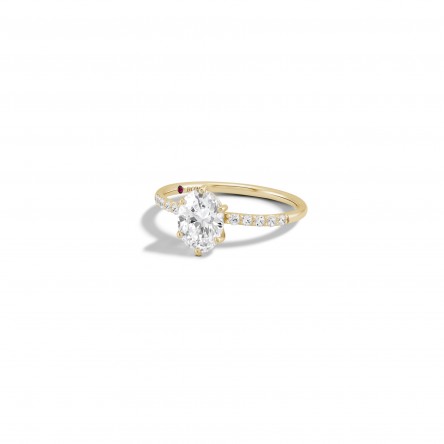
It comes from the French word "pavé", meaning "paved". It describes a setting in which small diamonds cover a surface so closely together that they appear to pave it.
The term is a precise metaphor: just as small paving stones cover the surface of a street, the tiny diamonds in a pavé setting cover the surface of the ring. The metal between the stones is kept to a minimum and is almost invisible, creating the illusion of a surface entirely covered in sparkle. There is also "micro-pavé", a variation featuring even smaller stones for a more delicate and continuous effect.
Can pavé stones become loose?
It is possible after many years of wear, due to the gradual wearing down of the tiny metal beads that hold the stones in place. For this reason, periodic inspections of the settings are recommended, although it is an easily resolved issue.
Because pavé settings use numerous small stones secured by tiny metal beads, it is theoretically possible that, with daily wear over many years, a bead may wear down and a stone may become loose. This is neither a frequent occurrence nor a flaw in the style — it is simply a characteristic of any setting featuring very small gemstones. The solution is straightforward: have the settings inspected periodically by a technical assistance service, where the metal beads can be tightened and any missing stones replaced. With this basic care, a pavé ring can remain in excellent condition for decades.
Does pavé make a ring sparkle more?
Yes. The combination of numerous small diamonds across a surface creates many more points of light reflection, resulting in intense, continuous sparkle.
The main appeal of pavé is precisely its brilliance. Each small diamond reflects light, and the concentration of many stones across a surface multiplies the sparkling effect far beyond what a single gemstone or a smooth surface could achieve. When pavé is combined with a central gemstone, the sparkle of the band and shoulders enhances and amplifies the brilliance of the center, creating a ring that sparkles throughout.
Is pavé more expensive?
Not necessarily. It uses small diamonds (which are individually more affordable), allowing for plenty of sparkle at a reasonable cost — although the setting process requires meticulous craftsmanship.
Pavé offers an interesting cost advantage: because it uses small diamonds, which are individually much more affordable than a large central gemstone, it allows you to achieve a ring with exceptional sparkle at a controlled cost. The factor that adds value is the intricate craftsmanship involved in setting the stones, which requires precision and attention to detail. Overall, pavé is a smart way to maximize a ring's brilliance without relying on a large central gemstone.
Can I combine pavé with a central gemstone?
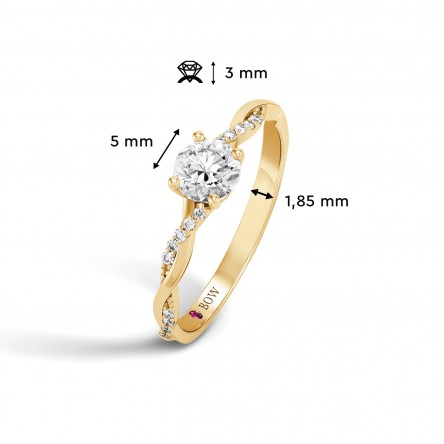
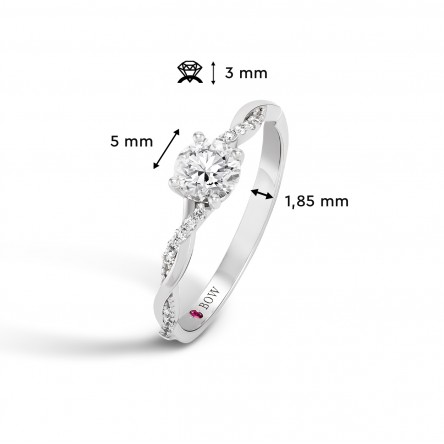
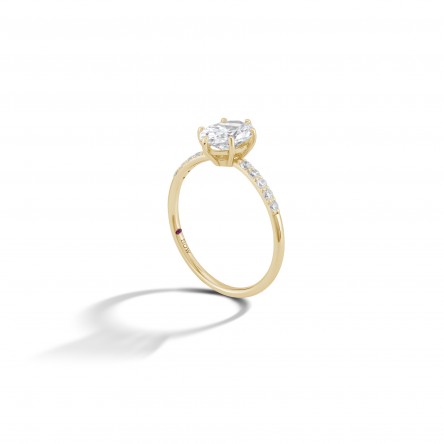
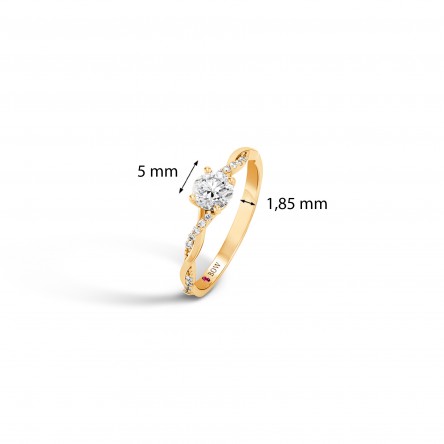
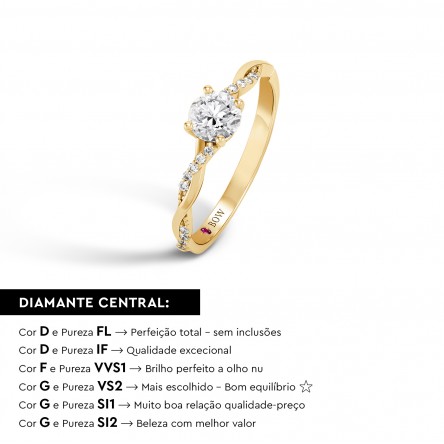
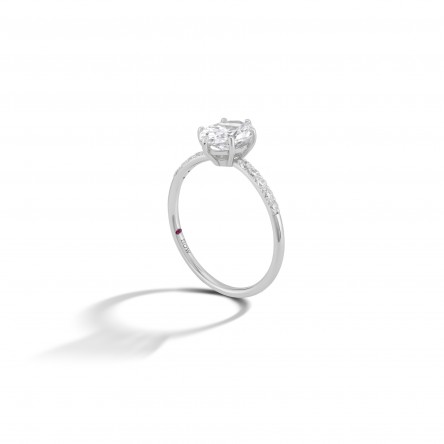
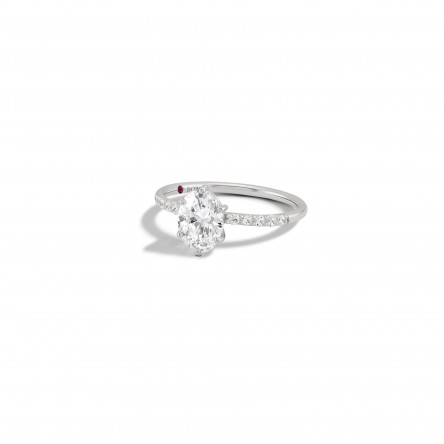
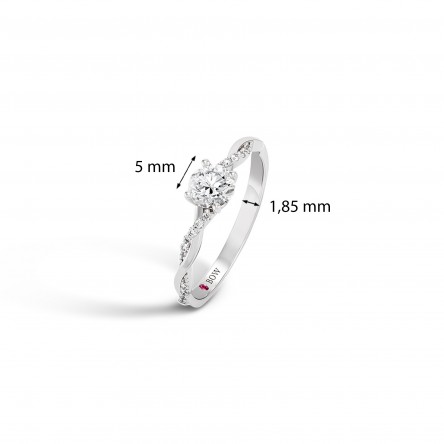
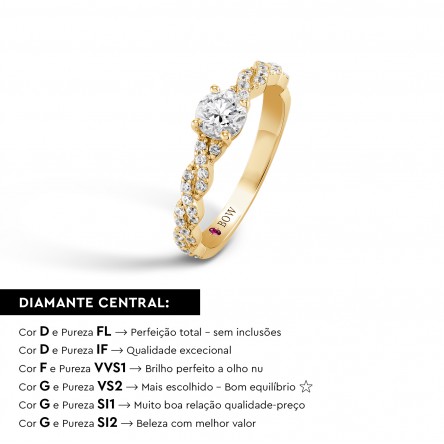
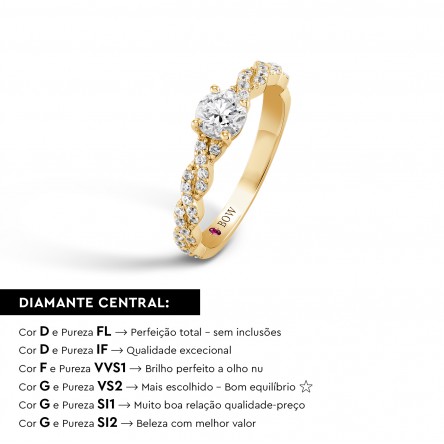
Yes, and it is one of the most common combinations. A solitaire or halo ring with a pavé-set band and shoulders enhances the overall sparkle.
Pavé pairs beautifully with central gemstones. It is common to find solitaire or halo rings in which the band and shoulders are pavé-set, adding an extra layer of sparkle that enhances the central gemstone and creates a ring that shines across its entire surface. This combination brings together the impact of a main gemstone with the continuous brilliance of pavé.