How much do wedding bands cost on average?
The price varies depending on width, gold weight, color, diamonds, and personalization, ranging from affordable options to premium designs.
The price of wedding bands varies according to their width, the weight of the gold, color, design, and the possible presence of diamonds or other gemstones. There are simpler, more affordable options, ideal for tighter budgets, as well as more elaborate designs with a higher gold weight and diamonds for those looking for investment pieces. The most important thing is to establish a price range and explore the combinations of colors, styles, and finishes within that budget that best reflect the couple's preferences.
Is 19.2K gold a good choice for wedding bands?
Yes, 19.2K gold contains more pure gold than 18K gold, offering durability and the rich color characteristic of Portuguese tradition.
Yes. 19.2K gold is the traditional alloy used in Portugal for high-quality jewelry, with a high percentage of pure gold and excellent durability. In wedding bands, this translates into pieces that withstand everyday wear, with a rich color and premium finish, provided they are properly cared for. It is a particularly suitable choice for those who want a symbol that will last for many years and retain its value.
Should I choose yellow, white, or rose gold for wedding bands?
Choose the color that complements your everyday jewelry: classic yellow gold, neutral white gold, romantic rose gold, or versatile two-tone gold.
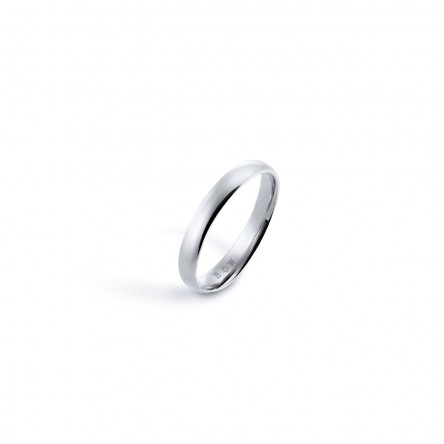
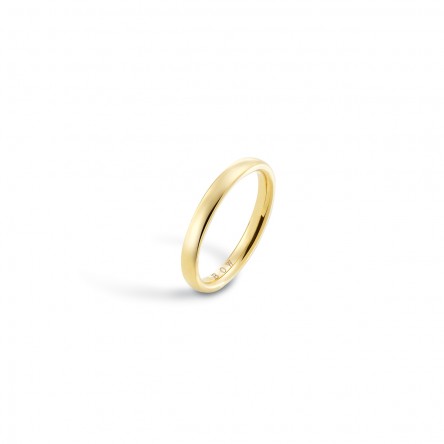
The choice of gold color should take into account each person's style and the jewelry or watches they already wear. If you usually wear gold-toned pieces, yellow gold is a natural choice; if you prefer a more neutral appearance, white gold complements silver-toned accessories. Rose gold is ideal for those who appreciate a softer, more romantic tone. For couples with different preferences, two-tone wedding bands can be an interesting solution, combining two colors in a single piece.
How do I know the ideal width for wedding bands?
The ideal width depends on hand size and finger shape; try narrower bands for smaller hands and wider bands for larger hands.
The ideal width depends on hand size, finger shape, and personal preference. On smaller hands, narrower bands tend to look more proportionate, while larger hands can accommodate wider wedding bands without losing visual balance. It is important to try different widths, assess how the ring feels on your finger, and observe how it looks to find the right combination of comfort and aesthetics.
When should I order my wedding bands?
Order 1–2 months in advance, or earlier for personalized designs, to allow time for production and adjustments.
It is recommended to order wedding bands at least two to three months before the wedding day. If you choose personalized designs, diamonds, special engravings, or design modifications, it is advisable to allow even more time. This ensures sufficient time for production, any necessary size adjustments, and a final inspection, helping to avoid unexpected issues close to the wedding date.
Can I have my wedding bands engraved?
Yes, interior engraving with names, dates, or messages is possible on many designs without changing the exterior appearance.
Engraving is one of the most appreciated details of wedding bands, allowing couples to add names, initials, dates, or short messages with special meaning. On many designs, engraving can be done on the inside of the band without changing its exterior design. It is important to confirm the available engraving options, character limits, and any impact on delivery times when making the purchase. Engraving is free of charge.
What if my wedding bands do not fit perfectly?
Many wedding bands can be resized later, depending on the design and structure of the piece.
It is common to realize after a few days of wear that a small size adjustment is needed. In many cases, the wedding band can be made slightly larger or smaller, depending on its design and structure. When purchasing, ask about resizing conditions and the exchange and size adjustment policies, so you can feel confident if any corrections are needed after delivery.
How should I care for my wedding bands every day?
Avoid harsh chemicals, remove them during activities that could cause damage, and clean them regularly with a soft cloth to maintain their shine.
To preserve the shine and condition of wedding bands, it is recommended to avoid frequent contact with harsh chemicals, such as strong detergents or bleach, and remove them during activities that may cause scratches or significant impacts. Gentle cleaning with a soft cloth and occasional inspections by a jeweler help preserve the finish and ensure everything remains in perfect condition. This way, wedding bands can maintain their beautiful appearance for many years.